EVENT
Teacher Retreat: Co-Designing an Elemental Climate Justice Curriculum
May 23 – 25, 2025
Edmonton, AB
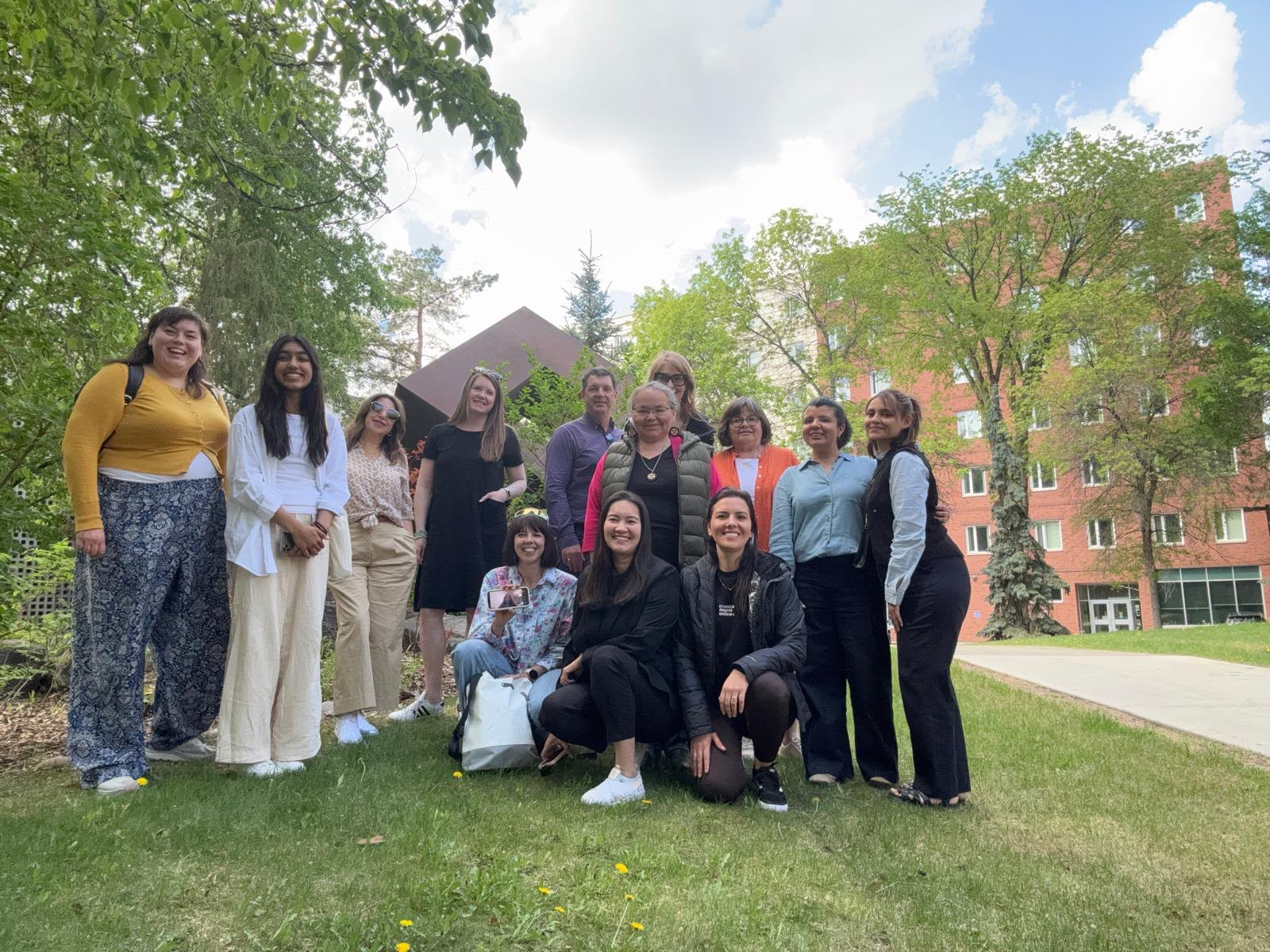
The Teacher Retreat brought together educators, researchers, and graduate students to co-design a climate justice unit plan and learning materials grounded in relationality, place-based learning, and collective inquiry. After working for months online as part of a larger design team, the retreat welcomed a delegation of teachers from Morocco, Brazil, and across Canada, including Mi’kmaw and settler teachers from Nova Scotia, Alberta, and Nunavut.
Welcoming dialogue across various languages, subject areas, and knowledge systems, our time together involved rich co-creation. Together, we participated in guided walks and collaborative planning, ultimately working to reorient climate change education by connecting across knowledge systems through climate impacts on the planetary elements we all share: earth, air, fire, and water.
Workshop Activities
Building on weeks of online collaboration, the retreat combined relational inquiry, dialogue, and collaborative curriculum design to explore climate justice through an elemental framework incorporating the knowledges of earth, air, fire, and water. Across a series of interactive activities, teachers and researchers reflected on our relationships with place, engaged with climate change through multiple knowledges systems and languages, and worked together to develop ideas that will inform the ongoing co-design of an interdisciplinary climate justice unit and learning materials.
1. Retreat Walks
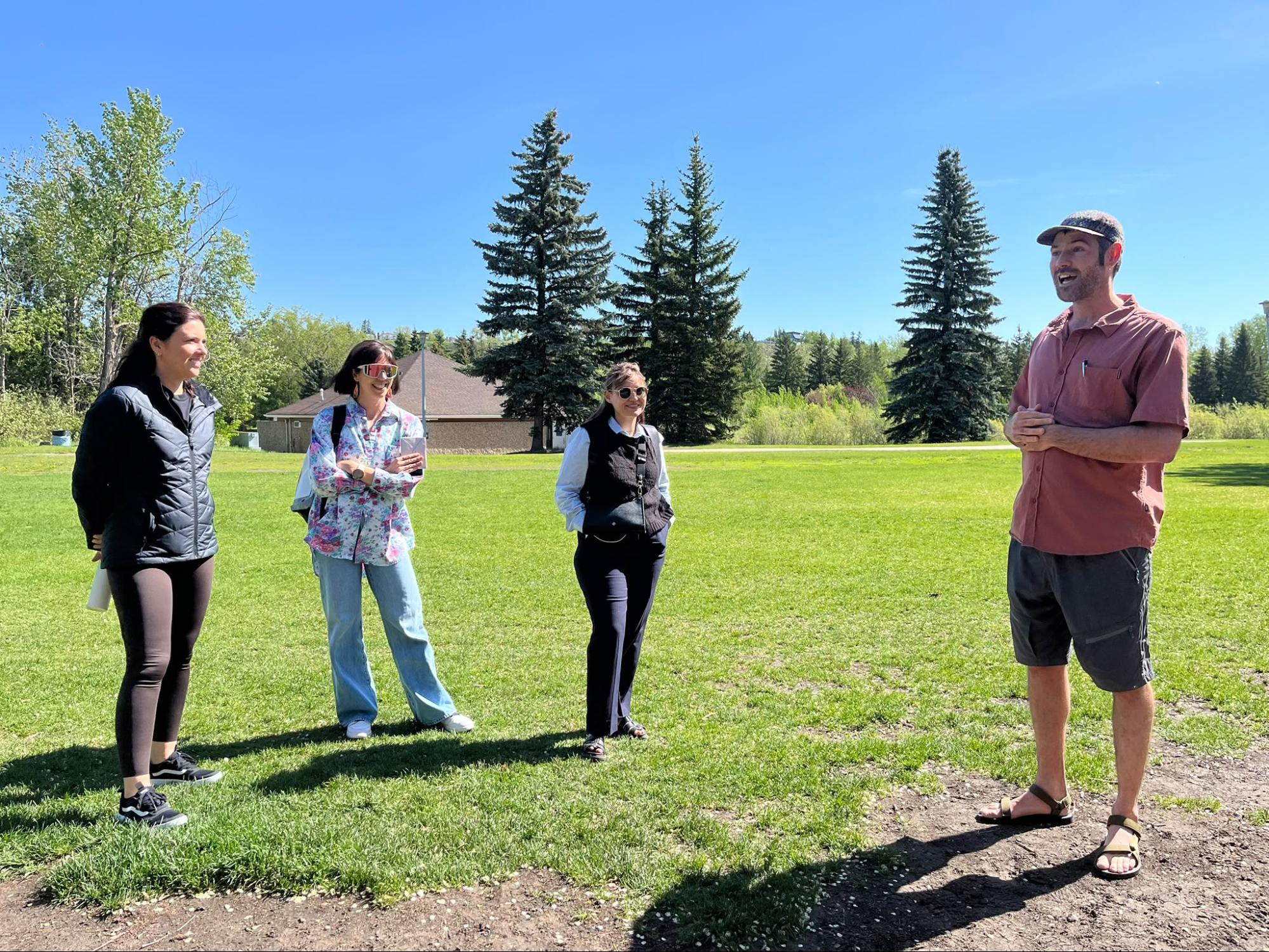
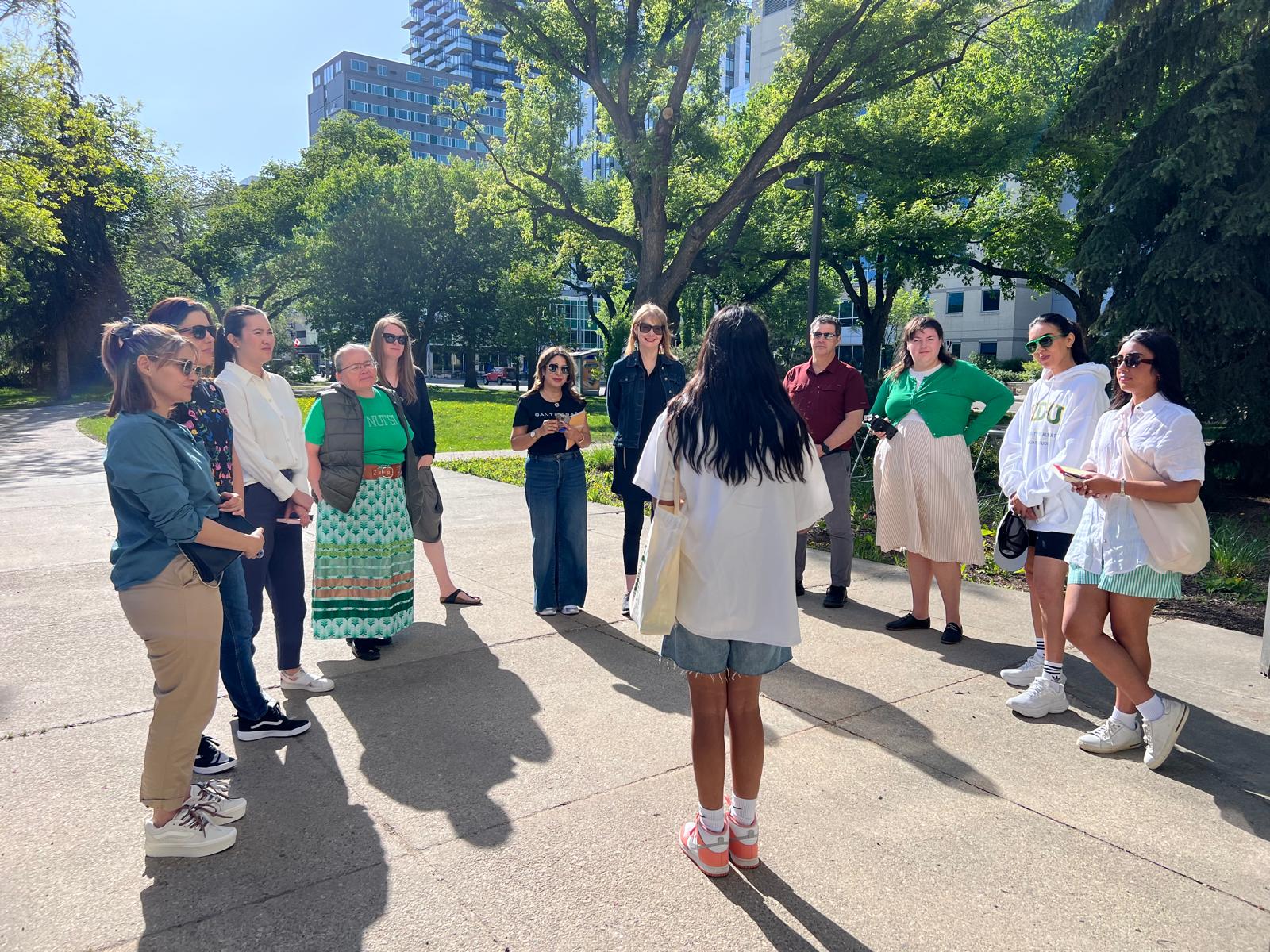
Teachers and researchers participated together in a series of walks designed to deepen our understanding of climate justice through place-based learning and relational inquiry. During guided walks, we explored climate effects in relation to earth and water in a permaculture garden, considering possibilities for regeneration. In a nearby park overlooking the oil refineries, we considered climate impacts on the air as a shared commons, through fiery processes such as wildfires, burning of fossil fuels, and heat intensification. Guided by invited facilitators, the walks encouraged us to consider how the four elements shape relationships between people, ecosystems, industries, and place, while exploring the social, cultural, political, economic, and ecological dimensions of climate change.
The retreat also included a walk with a youth climate activist, who shared local experiences of climate advocacy and justice work. Through these experiences and the conversations woven throughout the walks, we reflected together on how climate change is experienced differently across communities, what can be learned from place and diverse ways of knowing, and how relational, place-based approaches can support climate change education. These reflections informed later collaborative discussions on curriculum design and inquiry.
2. Collaborative Brainstorming
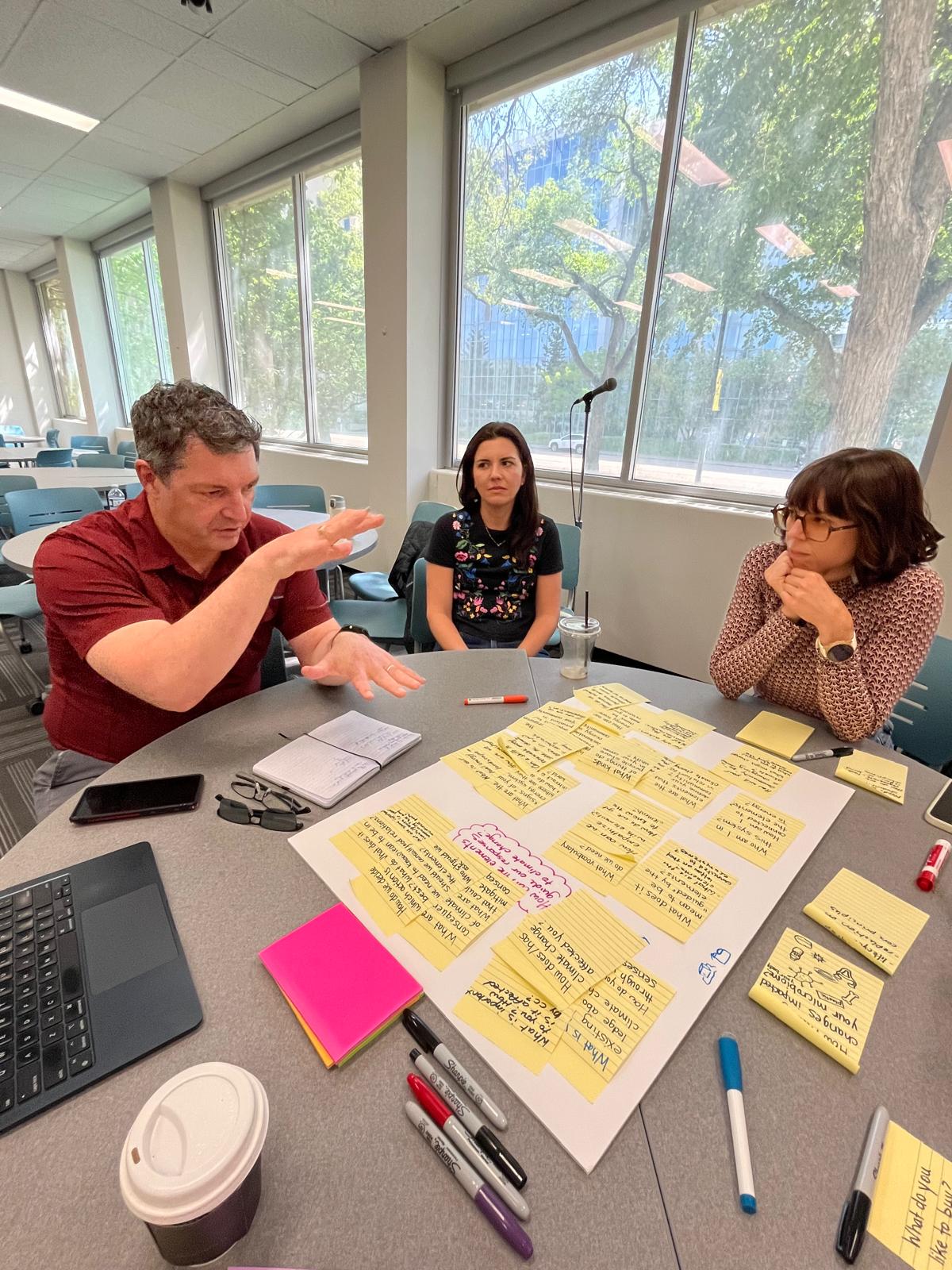
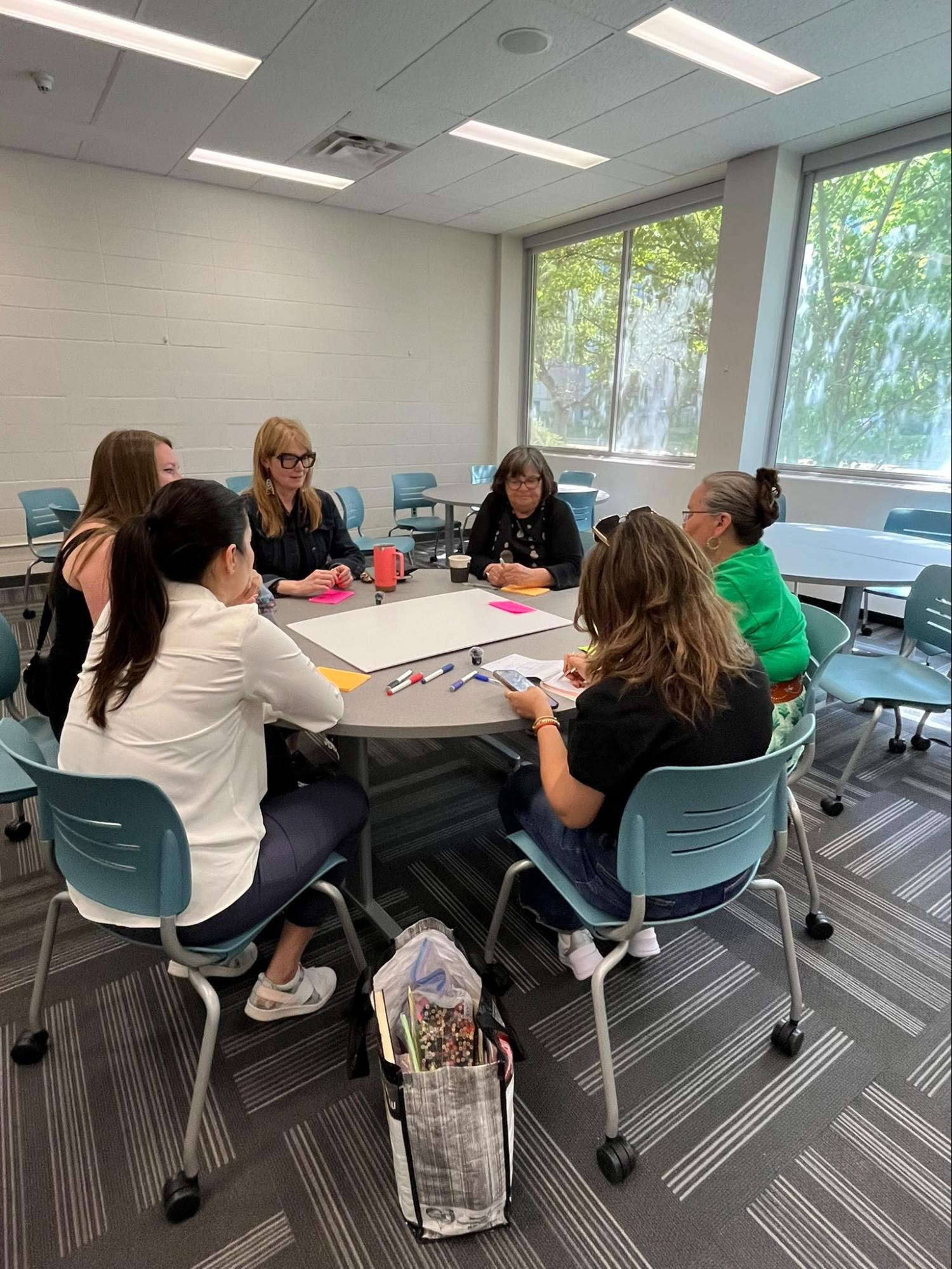
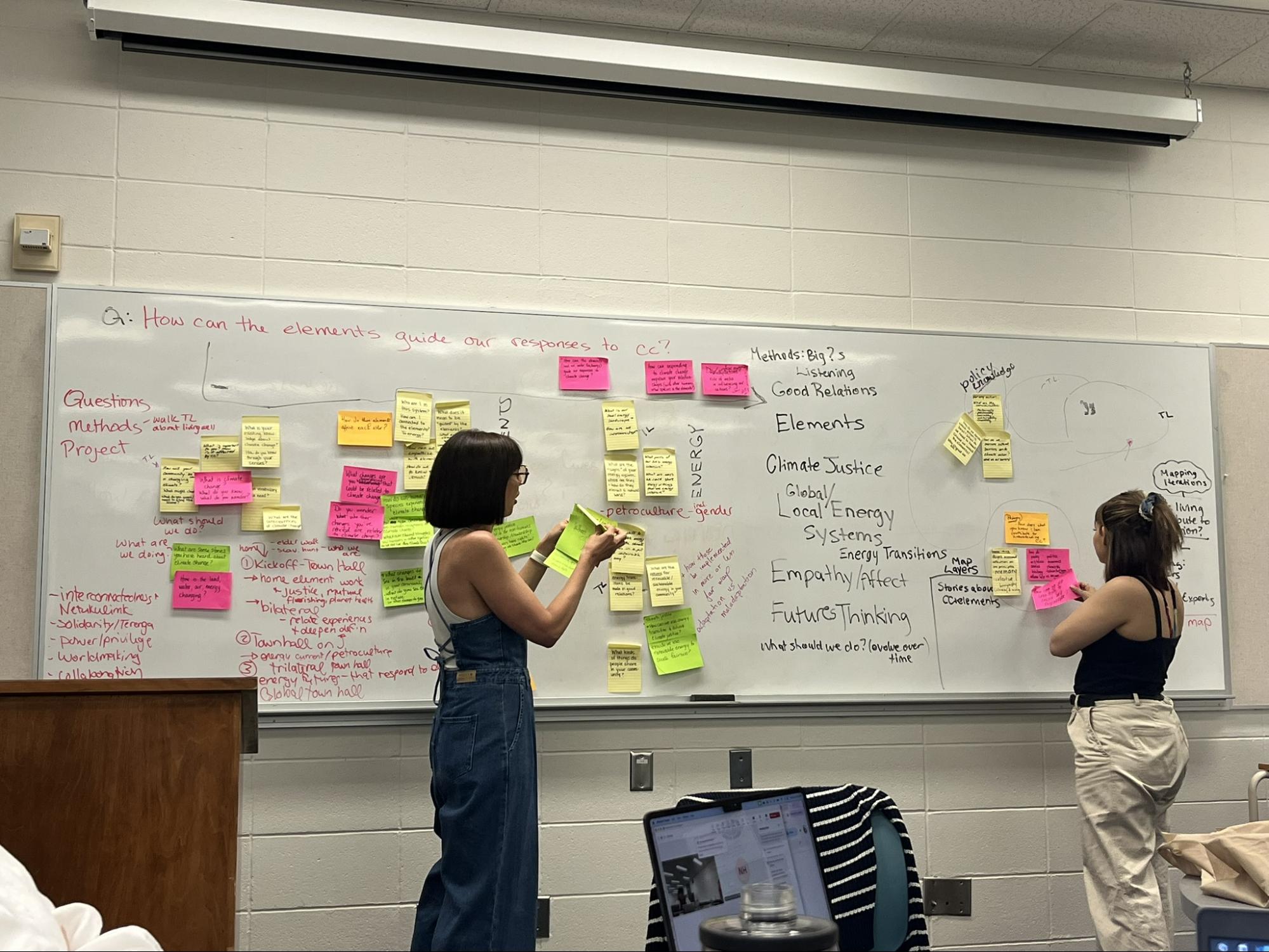
Throughout, we participated in collaborative brainstorming to develop an elemental climate justice curriculum. Working in small groups and as a collective, we traced how the elements water, air, fire and earth might serve as meaningful entry points for learning about climate change across different local and cultural contexts.
Discussions examined how climate change education might move beyond scientific and technical perspectives to include questions of relationality, interconnectedness, reciprocity, and the commons. We reflected on how various people relate to land, water, air and other more-than-human beings, and how these relationships shape decision-making about climate change.
The brainstorming also analyzed how local experiences can be connected with broader planetary concerns. Teachers shared examples from their own communities, discussing issues interconnected with climate change, ranging from food and water security to energy transitions, the role of Indigenous knowledges, and the unequal impacts of climate change across regions worldwide. These conversations highlighted the importance of recognizing multiple perspectives and learning from various disciplines, while acknowledging that climate change is experienced differently depending on place, history, and community.
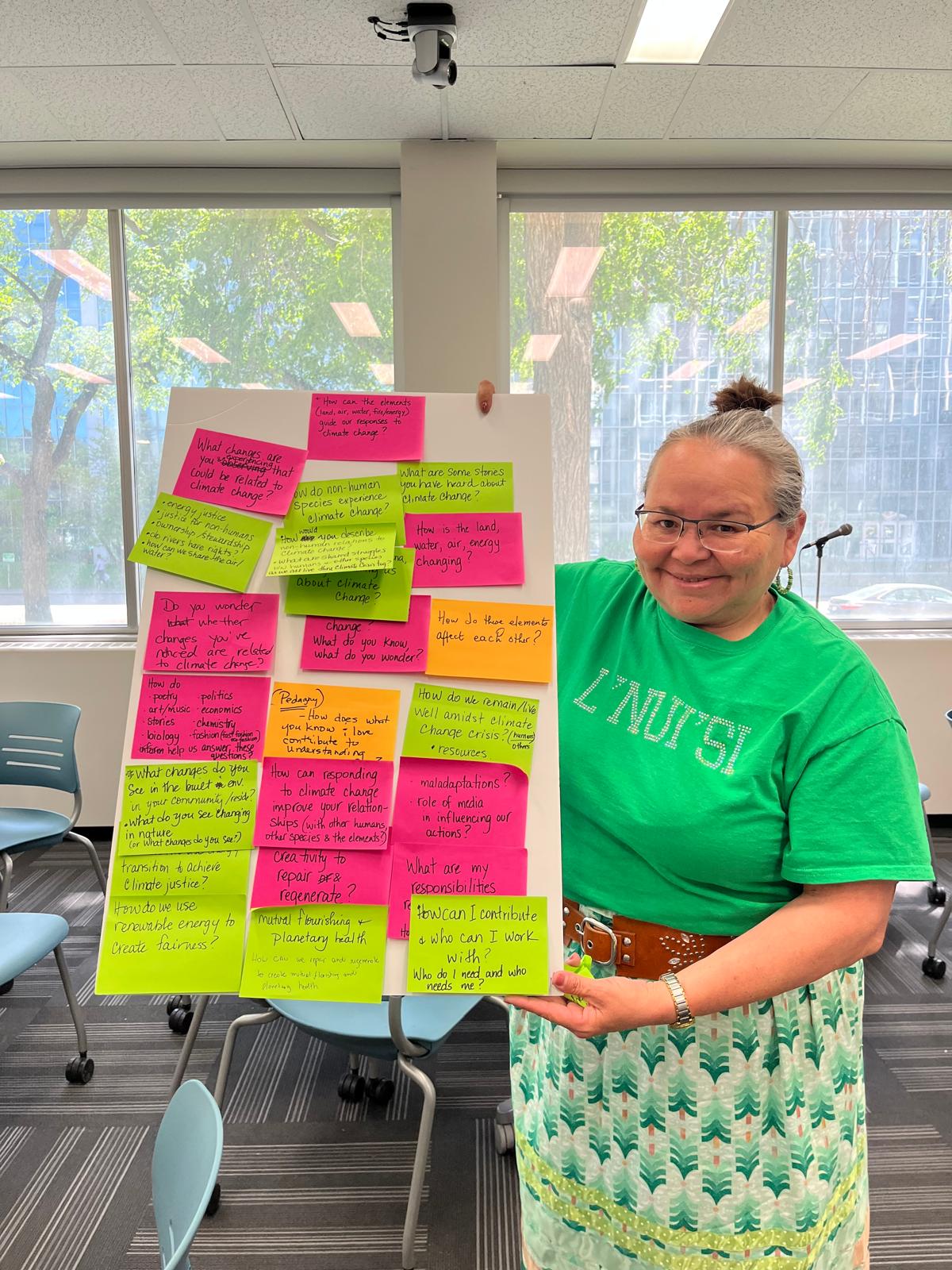
Throughout the discussions, participants considered how to design learning experiences that were flexible enough to respond to local contexts while maintaining shared inquiry across classrooms. The group explored possible guiding questions, thematic anchors, and approaches that could help students investigate climate change through their own lived experiences while engaging in dialogue with peers in other parts of the world.
Outcomes
The retreat generated a unit and teaching materials for two research projects:
Learning Collective Worldmaking
Powering Youth Environmental Literacy Through Networked Learning
Stay tuned for a usable package of teaching materials for secondary school classes in multiple disciplines.