
EVENT
International Writers' Retreat: Learning Collective Worldmaking
May 7 – 13, 2026
Edmonton, AB
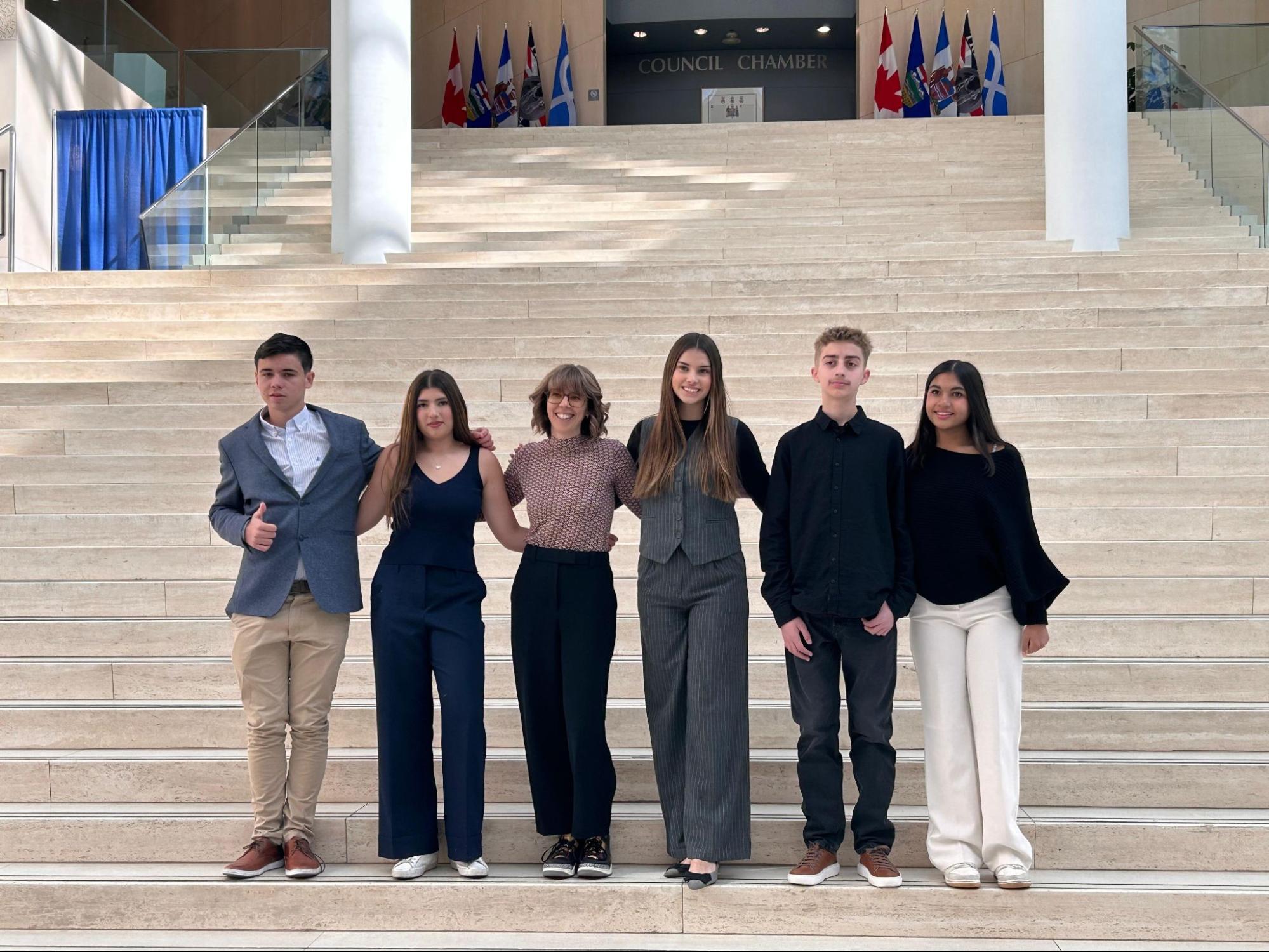
The International Writers' Retreat brought together a delegation of students, teachers, and researchers from eleven countries for a week of collaboration, dialogue, and collective writing as part of the Learning Collective Worldmaking: Youth Activism for Climate Futures project.
After seven months of connecting virtually through workshops, classroom activities, and international dialogue, participants gathered in Edmonton for the first time to transform their shared learning into a youth-authored climate policy paper. Student writers, chosen by their peers, reviewed research collected over seven months to create a policy statement that reflected the collective knowledge and calls to action from all project locations. They worked across languages, cultures, and lived experiences to synthesize ideas, make strong recommendations about climate justice, petroculture, and energy futures.
The retreat was more than a writing workshop. Bringing together a delegation representing 145 youth worldwide, it was an opportunity to build relationships, learn from different perspectives, and experience the power of working collectively toward a common goal.
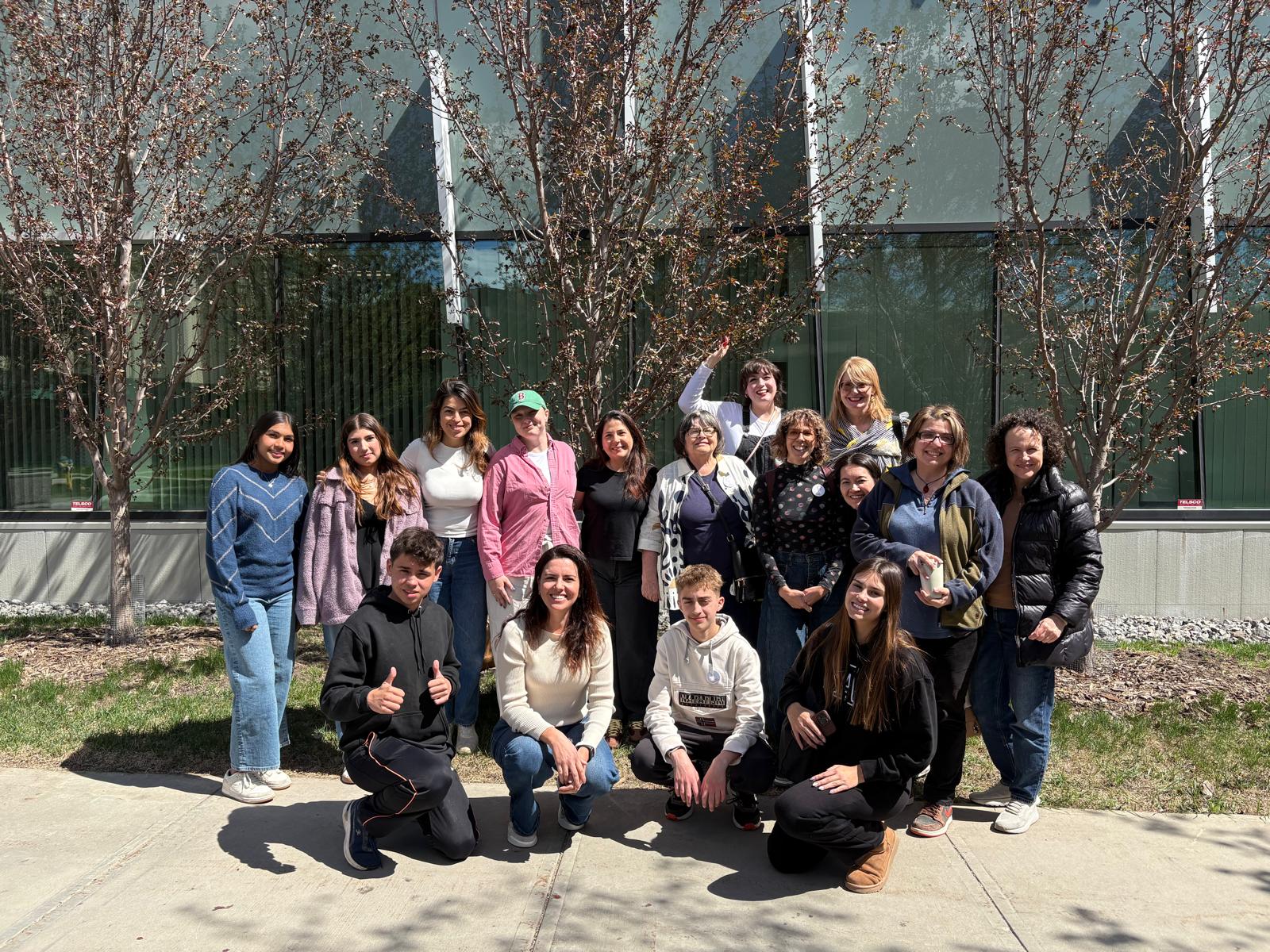
Policy-writing Workshop Activities
1. Collaborative Writing Sessions
Participants engaged in daily writing sessions focused on reviewing, revising, and strengthening The Earth is Speaking: A Call for Climate Justice from the Next Generation. Students refined the recommendations developed over months of virtual learning, ensuring that the final document reflected the diversity of perspectives represented across the eleven participating countries.
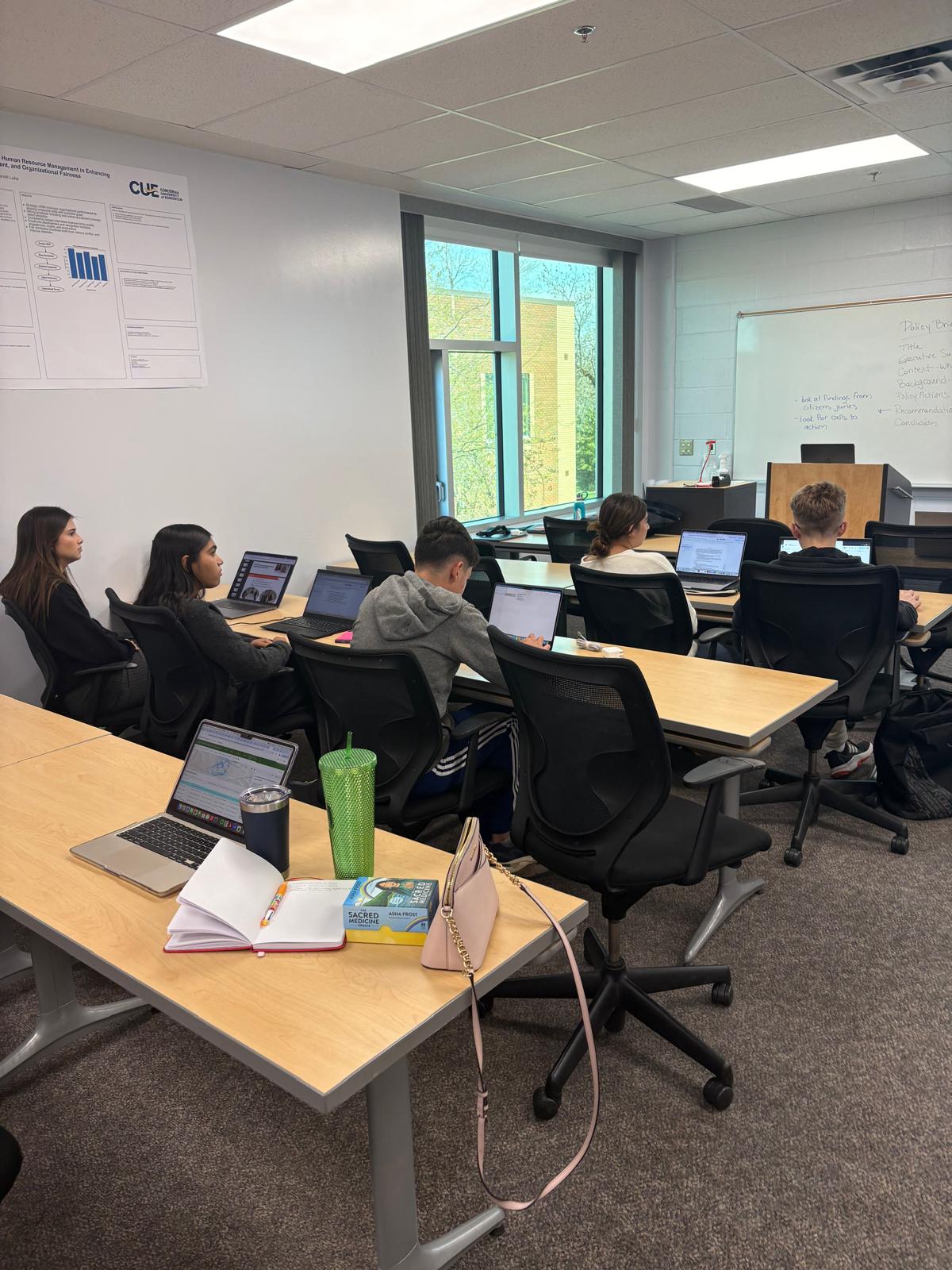
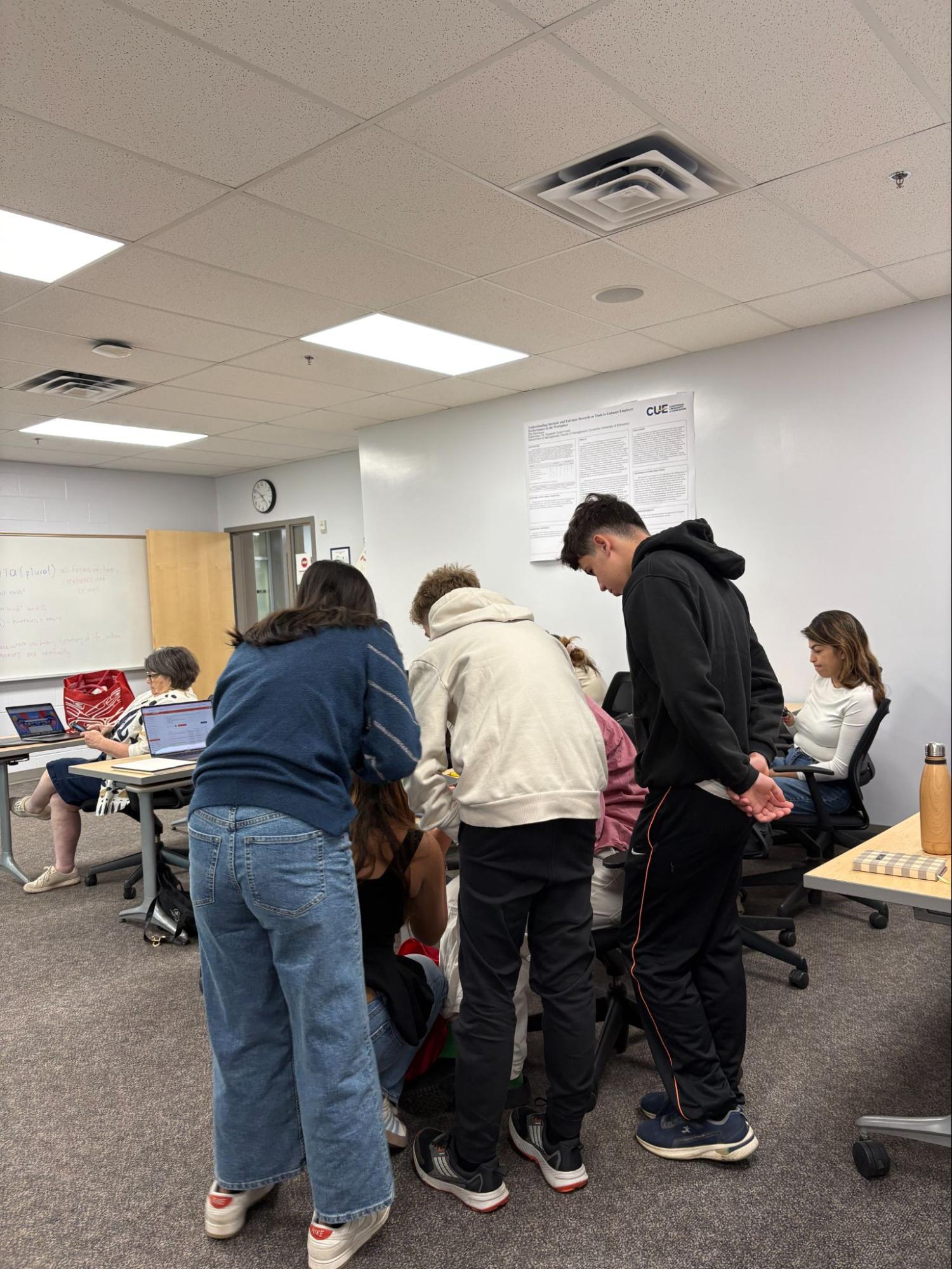
Writing the policy paper at Concordia University in Edmonton, Alberta
2. Learning Across Cultures and With the Elements
The retreat deepened the writers' experience of working with knowledge through multiple knowledges, including human cultures as well as the elements of earth, air, fire, and water. Through facilitated discussions and collective walks, participants exchanged experiences about climate change in their own communities, explored how they are connected through the elements, dialogued across languages and knowledge systems, and built lasting friendships. These interactions strengthened the collaborative spirit of the project and deepened participants' understanding of climate justice as both a local and global issue.
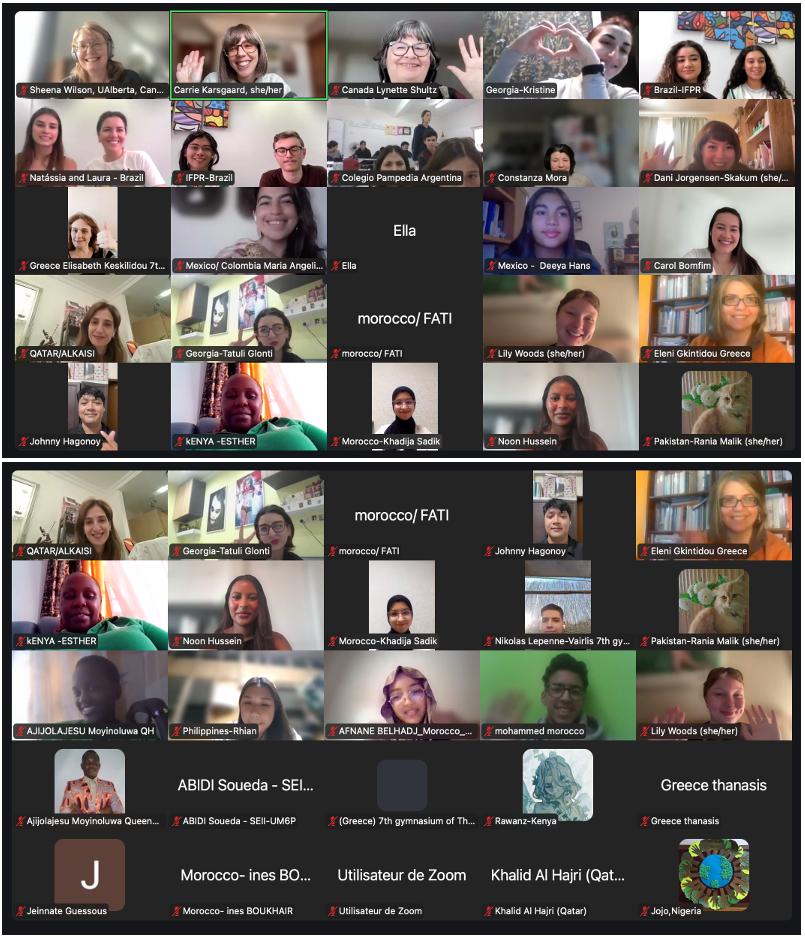
Virtual meetings with students and teachers from eleven countries.
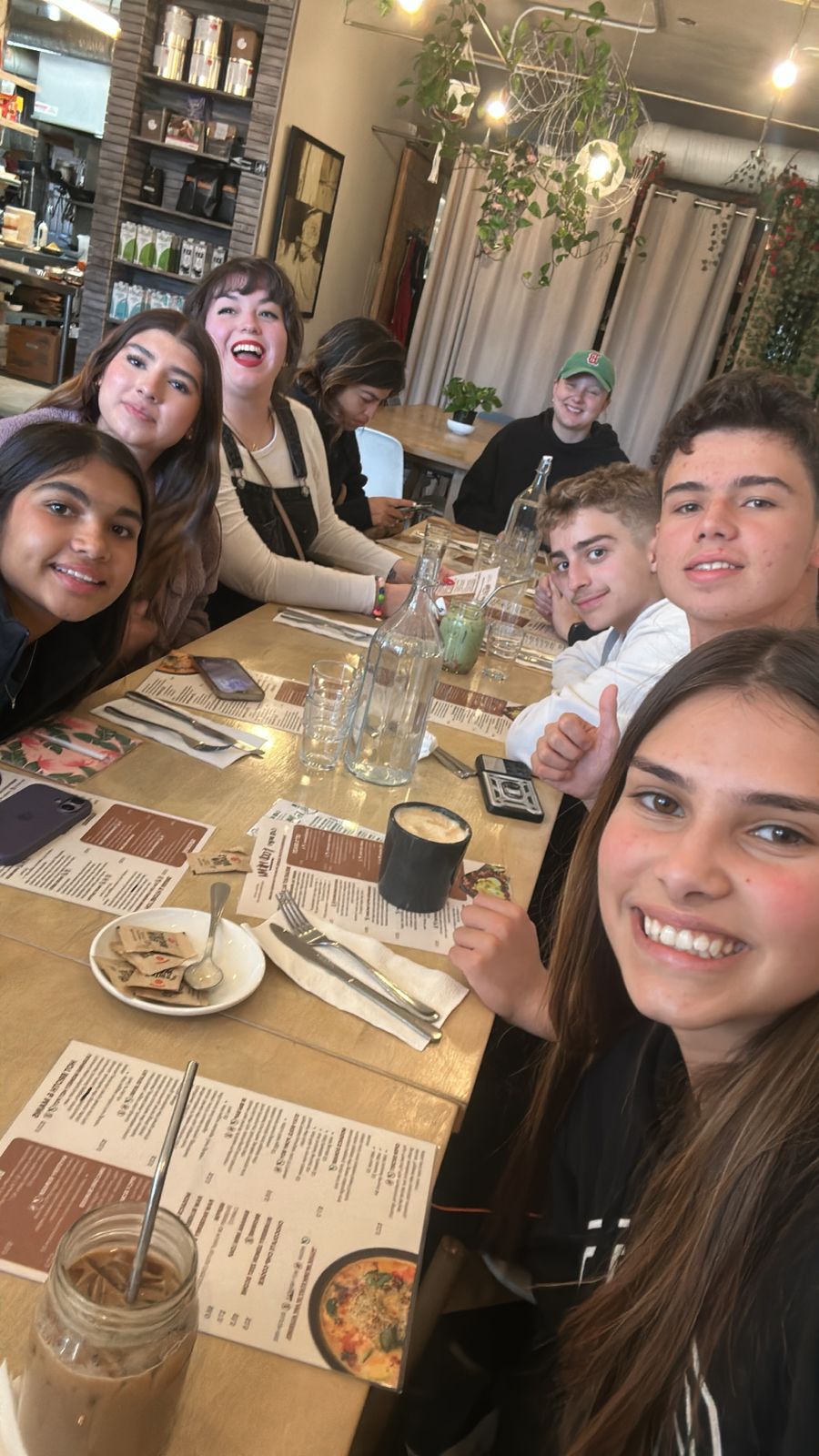
Student sharing dinner and having informal conversations related to petroculture and climate justice.
3. From Ideas to Action
As the week progressed, student writers prepared to present their policy paper to a public audience. Together, they refined their key messages, practiced their presentations, and reflected on how to communicate their recommendations with confidence. This preparation culminated in the presentation at Edmonton City Hall, where students shared the collective outcome of their work to decision-makers, who could take action on their recommendations.
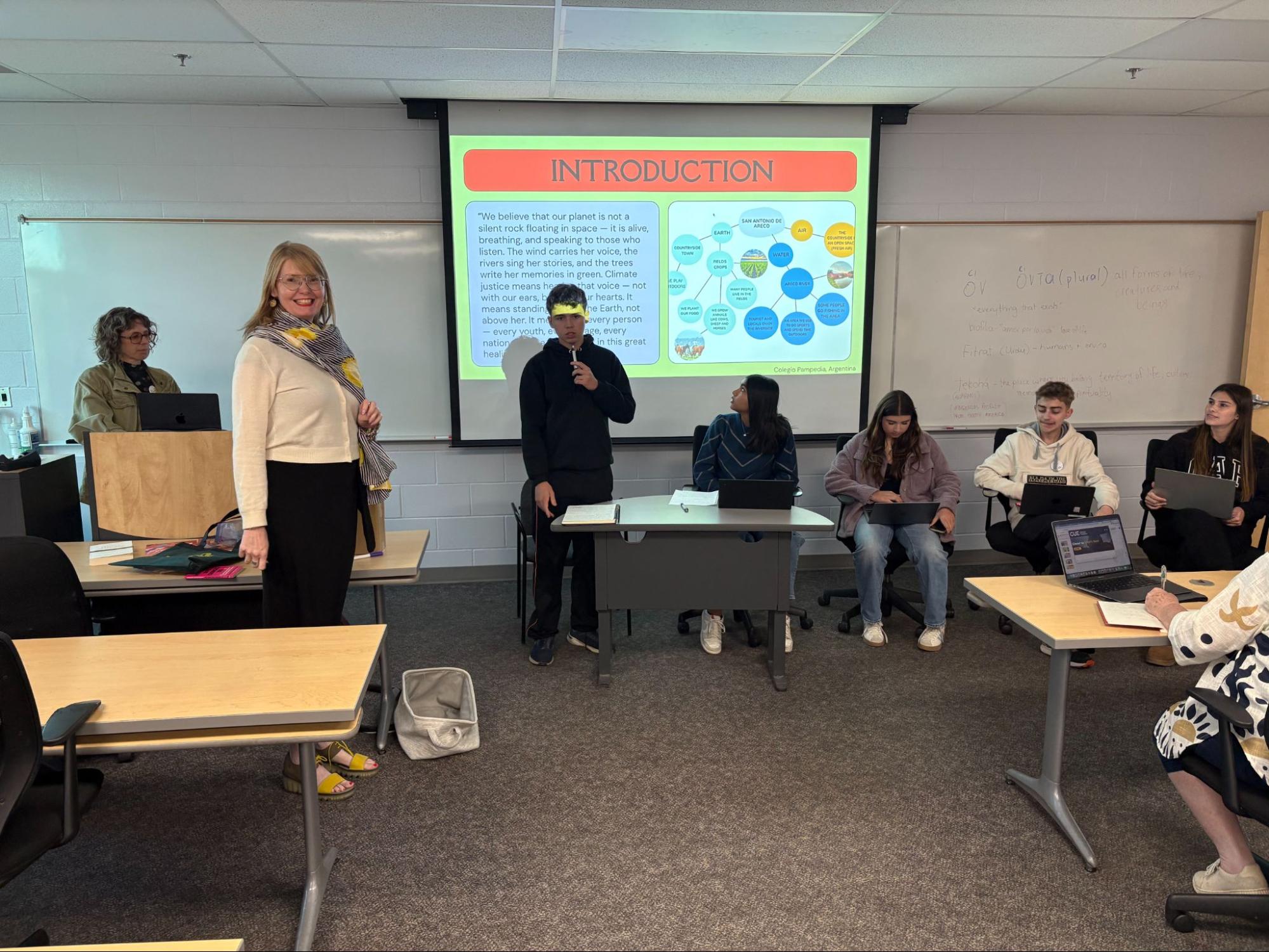
Students rehearsing the presentation at Edmonton City Hall.
What We Accomplished
1. Youth Voices at Edmonton City Hall
The retreat culminated in the completion of The Earth is Speaking: A Call for Climate Justice from the Next Generation, a policy paper written by youth from eleven countries. The document represents months of collaboration and presents students' recommendations for building more just climate futures.
One of the highlights of the week was the public presentation at Edmonton City Hall, where students shared their policy recommendations with project partners, community members, and civic leaders. Presenting their work in a public setting demonstrated that young people are not only learning about climate issues but are also contributing thoughtful ideas to policy conversations.
Beyond the policy paper, the retreat strengthened international partnerships among students, teachers, and researchers while creating lasting connections that will continue to support future collaboration.
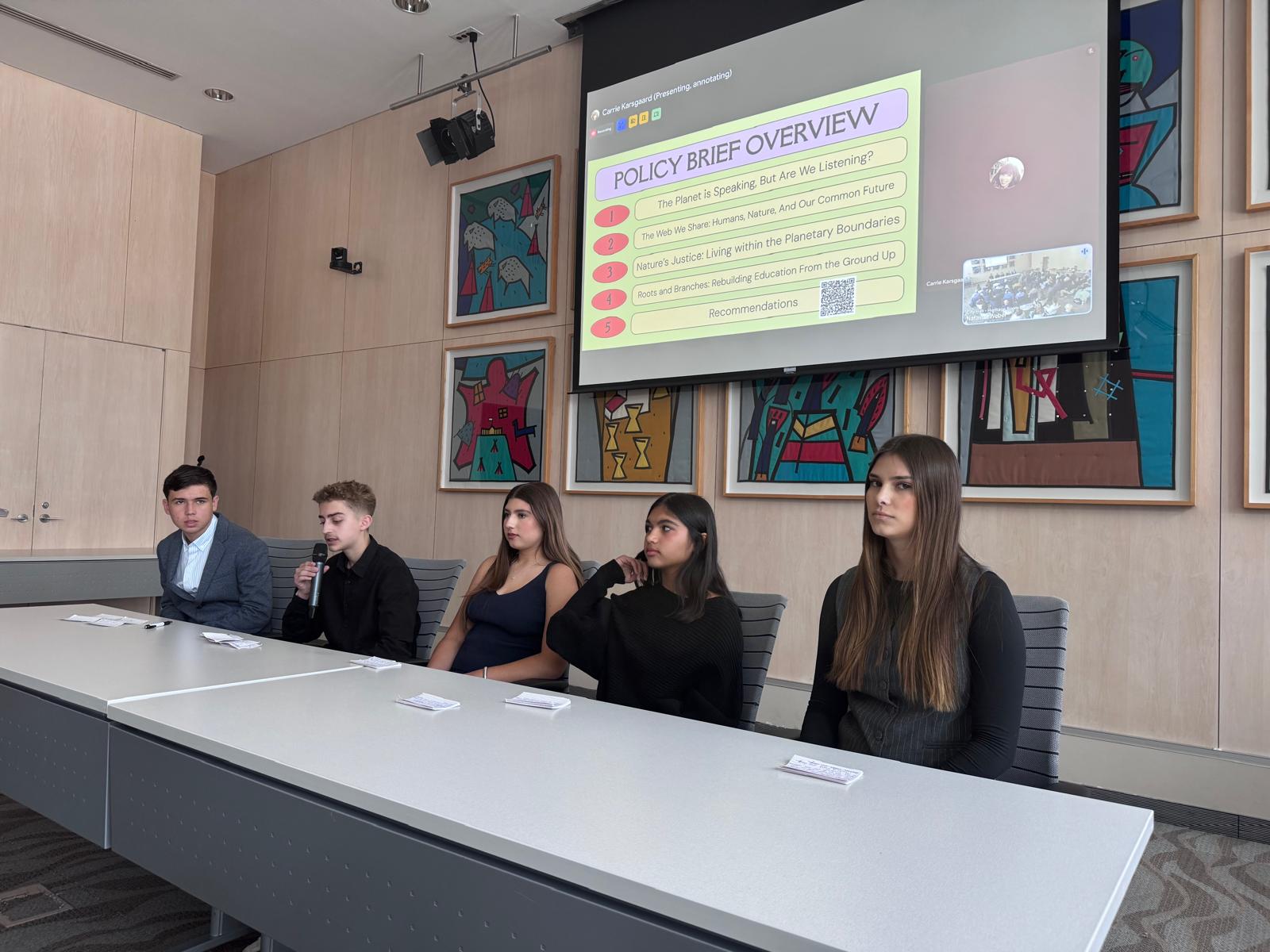
Students at Edmonton City Hall presenting their paper.
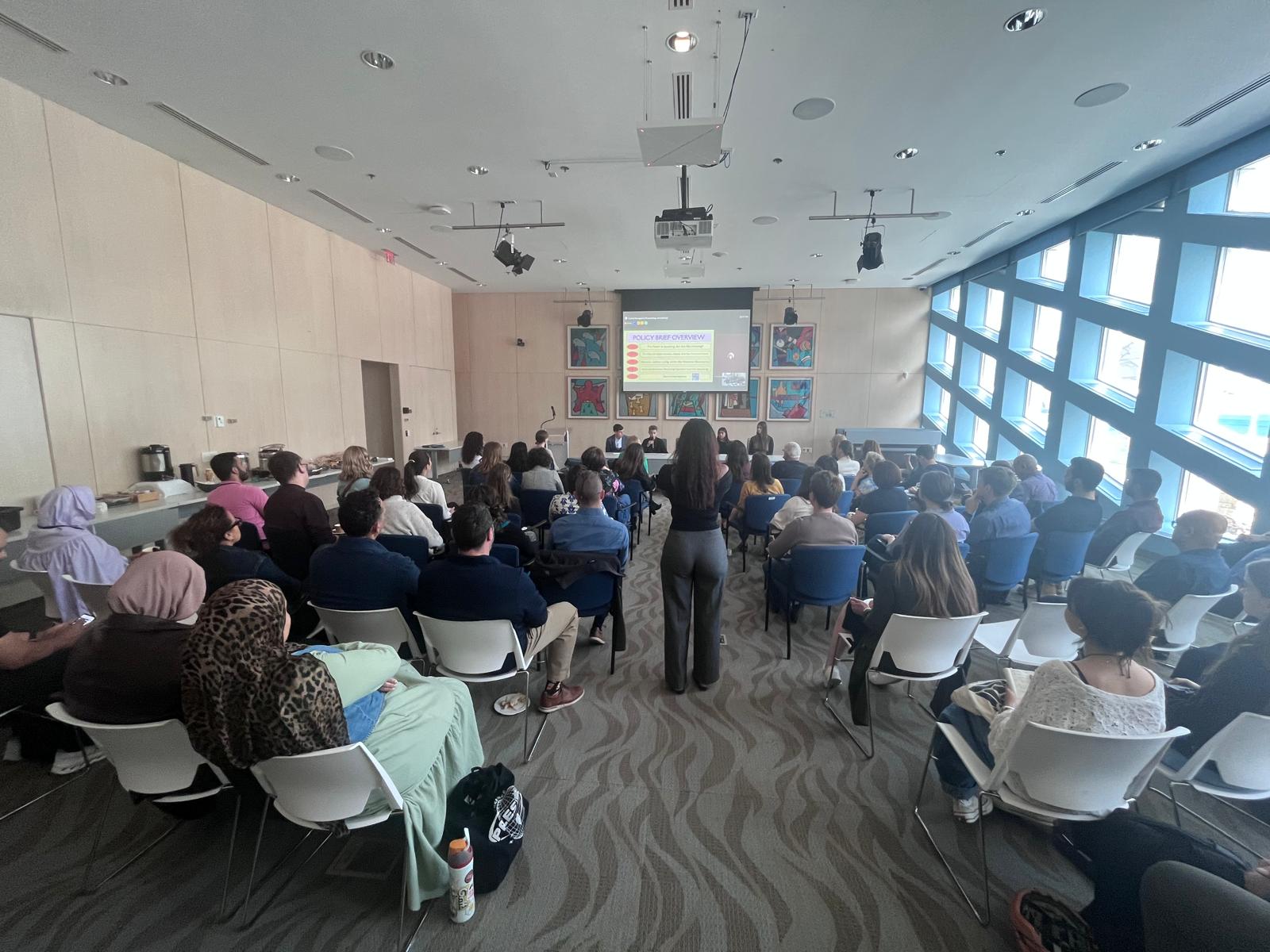
Students at Edmonton City Hall presenting their paper.
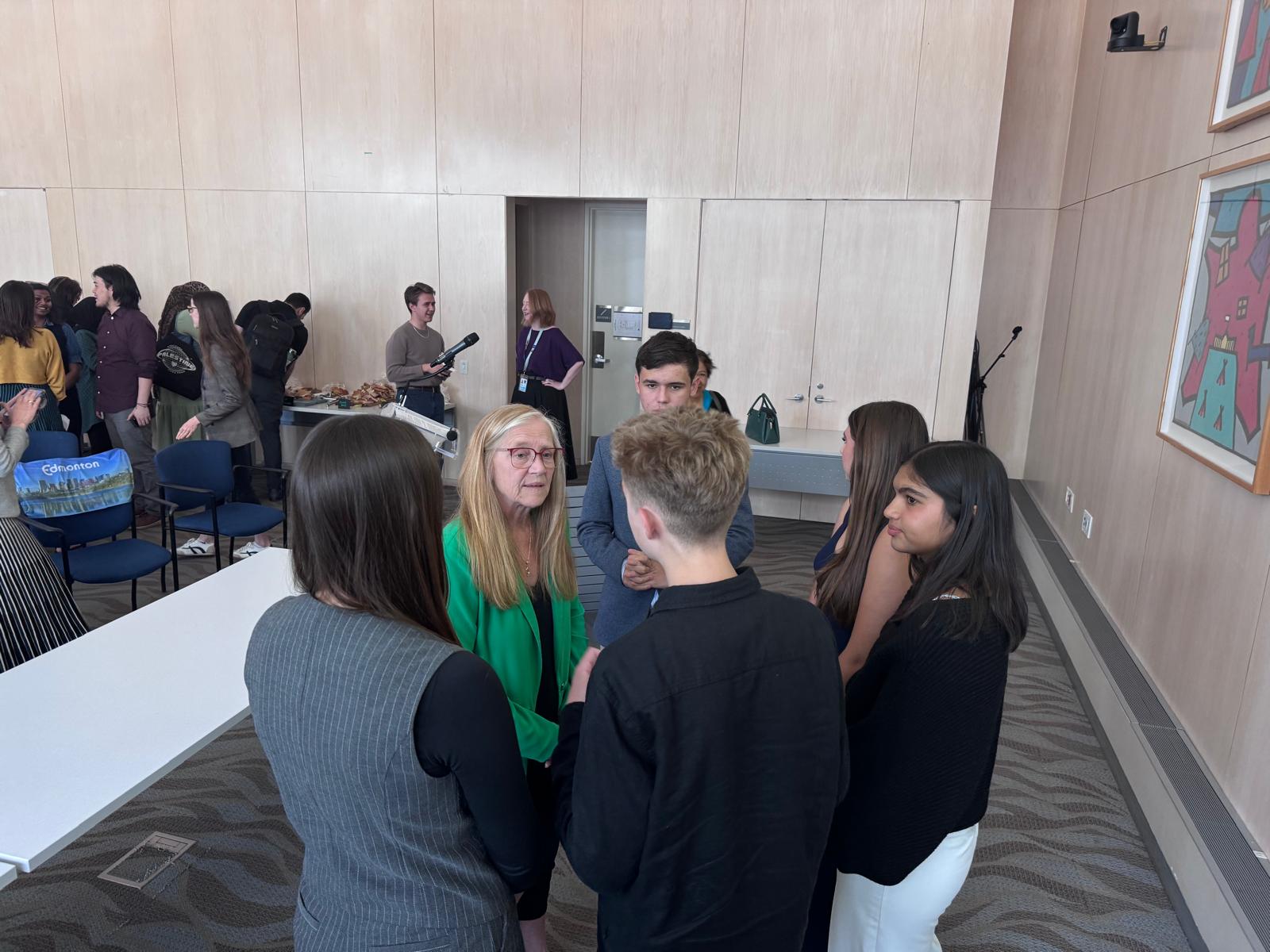
Attendees talking and asking questions to the students at Edmonton City Hall after the policy presentation.
2. Bringing the Policy Paper Home
The International Writers' Retreat marked the completion of the policy paper, but it also marked the beginning of its journey.
After returning home, students shared The Earth is Speaking: A Call for Climate Justice from the Next Generation with their schools, communities, and local organizations. By presenting, discussing, and, in some cases, translating the paper into their home languages such as Spanish and Portuguese, they connected the ideas developed during the retreat with the realities of their own communities.
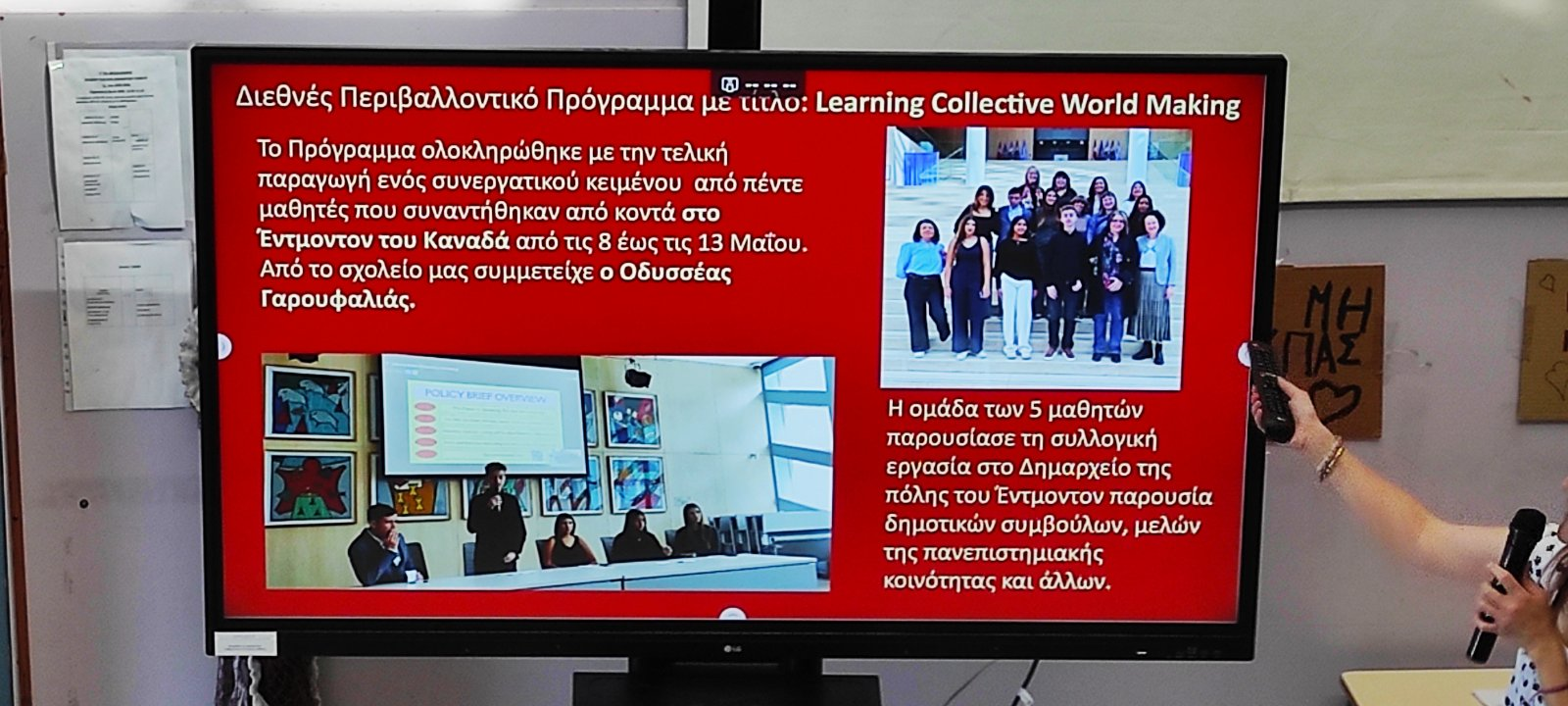
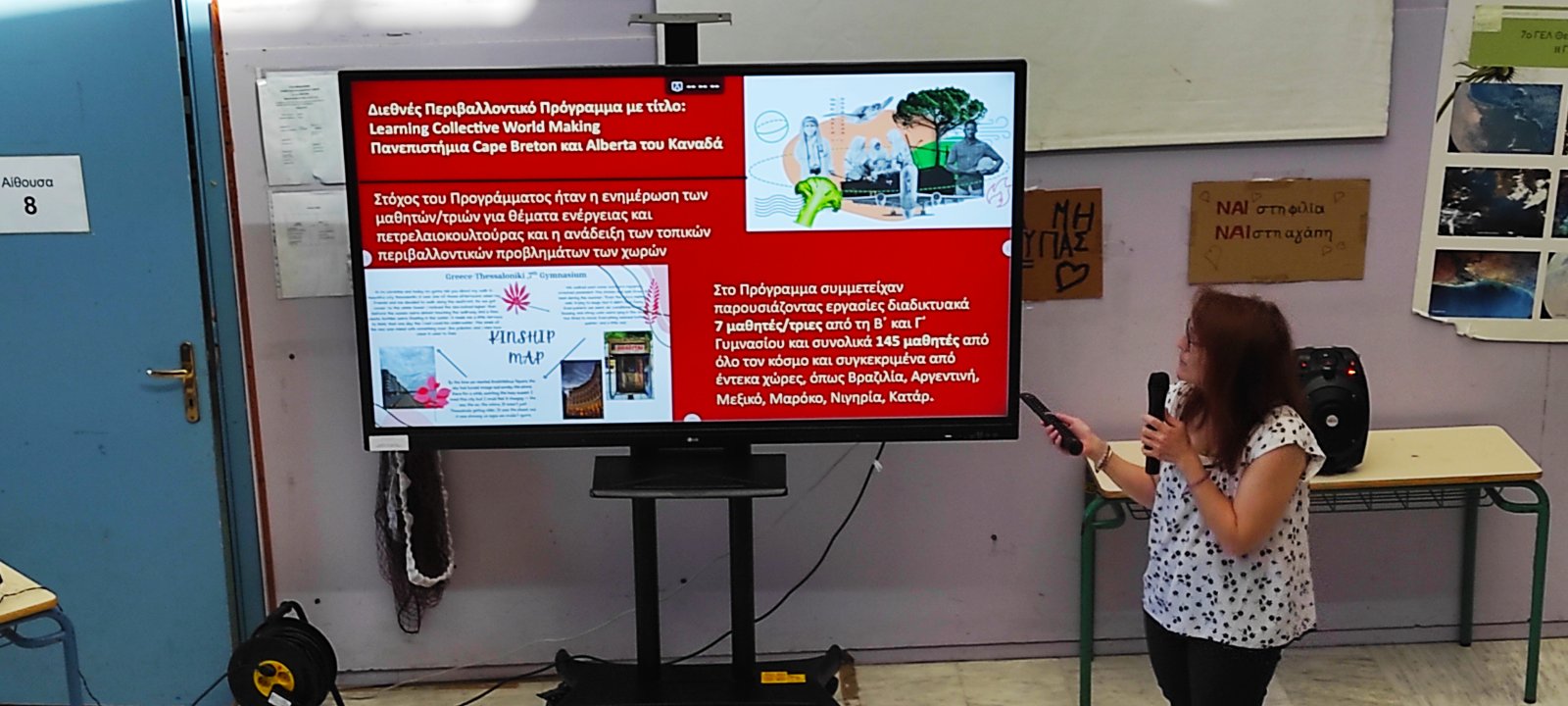
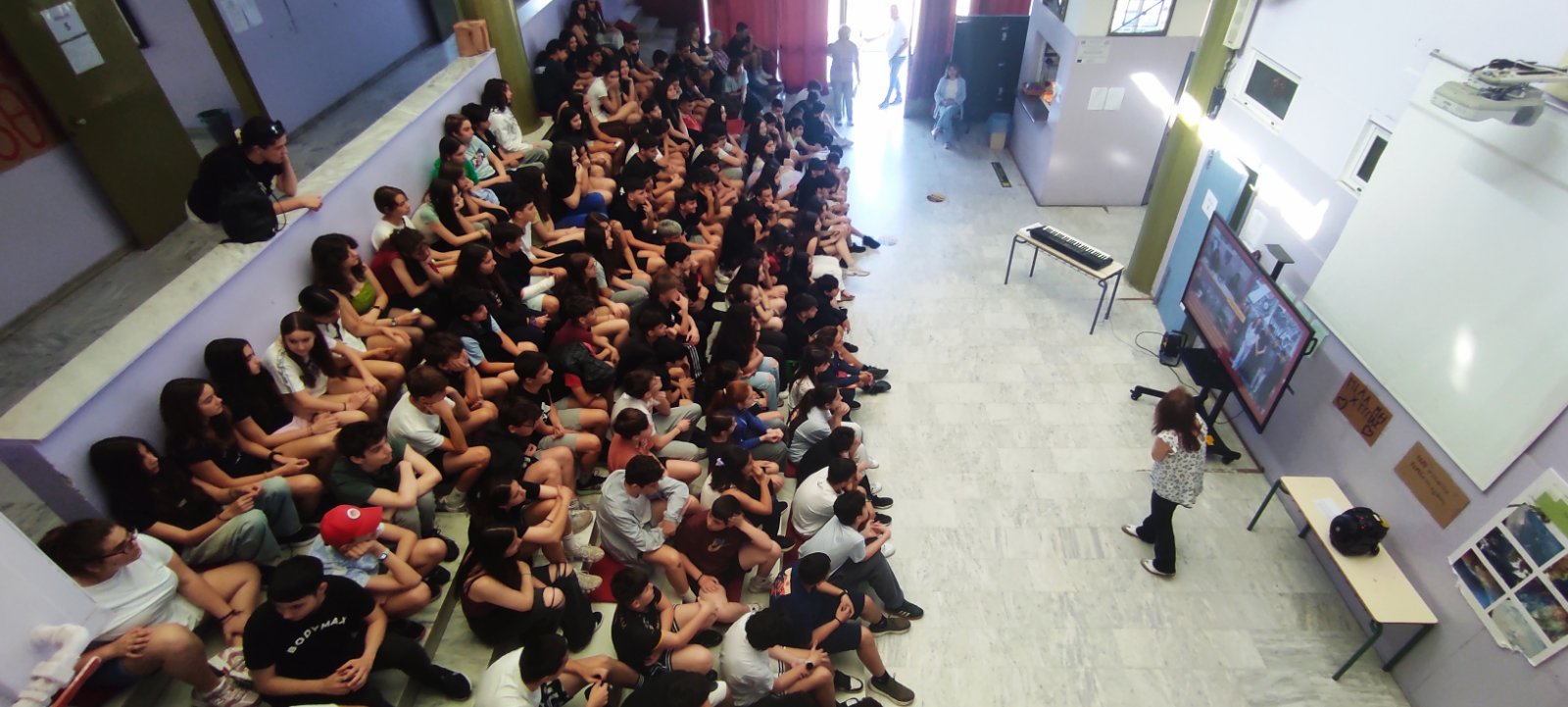
Dissemination of students' work across participating countries. (Greece)
These local dissemination activities demonstrated that youth-led climate action does not end with writing a policy paper. Instead, it continues through dialogue, education, and community engagement, as students inspire new conversations about climate justice in their own ways.
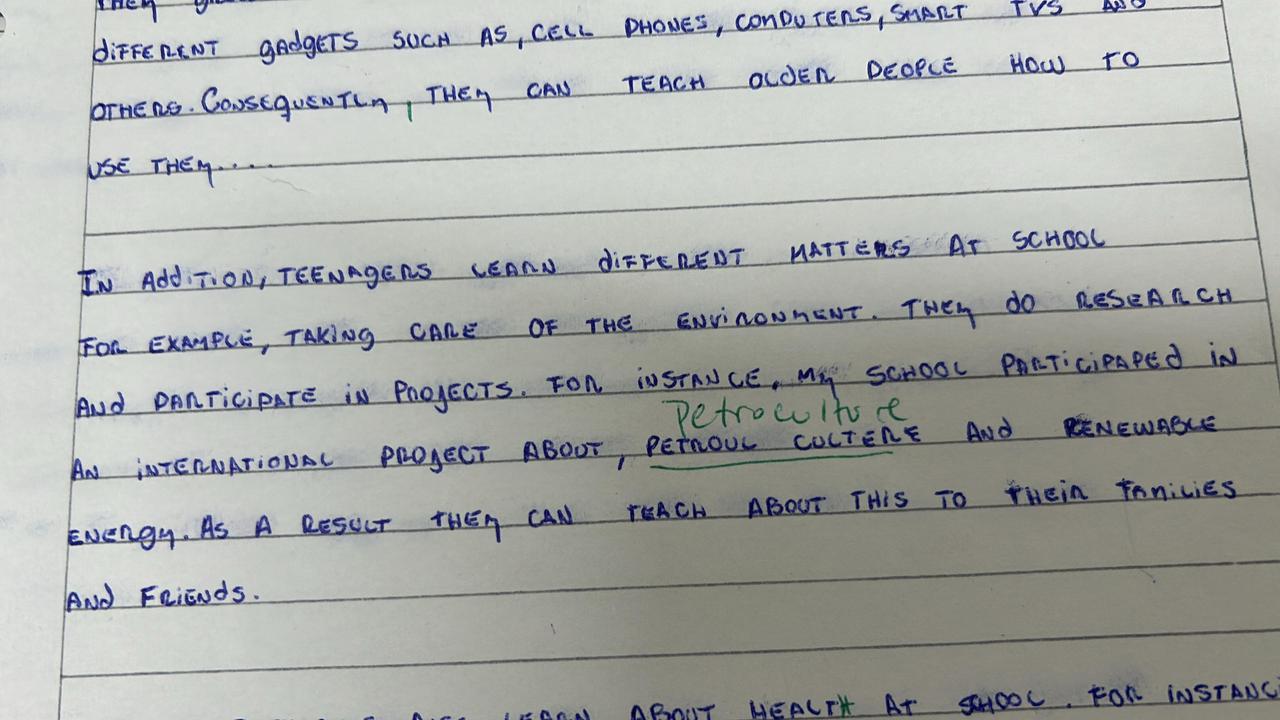
A reflection written by a participant following the conclusion of the program. (Argentina)
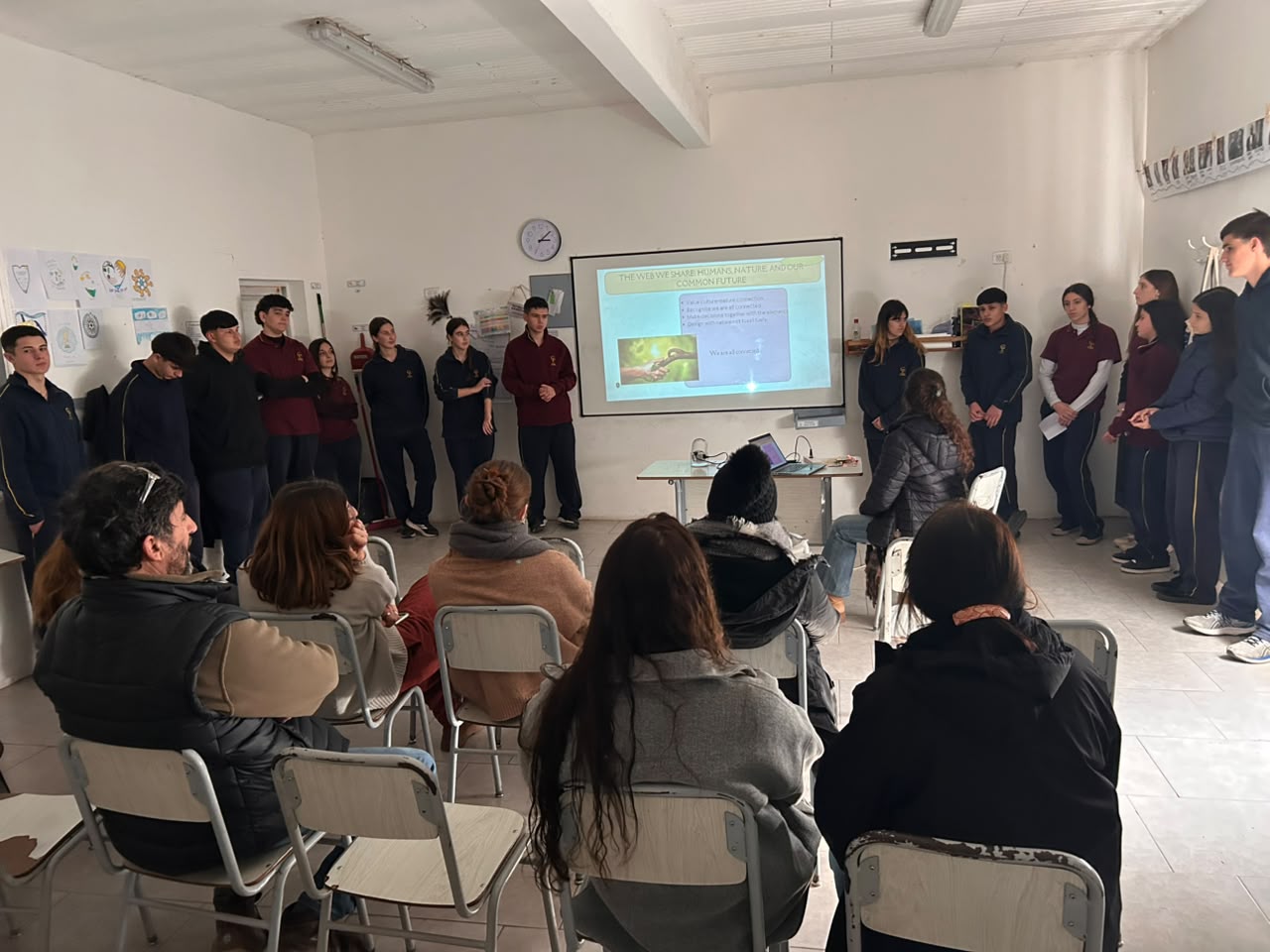
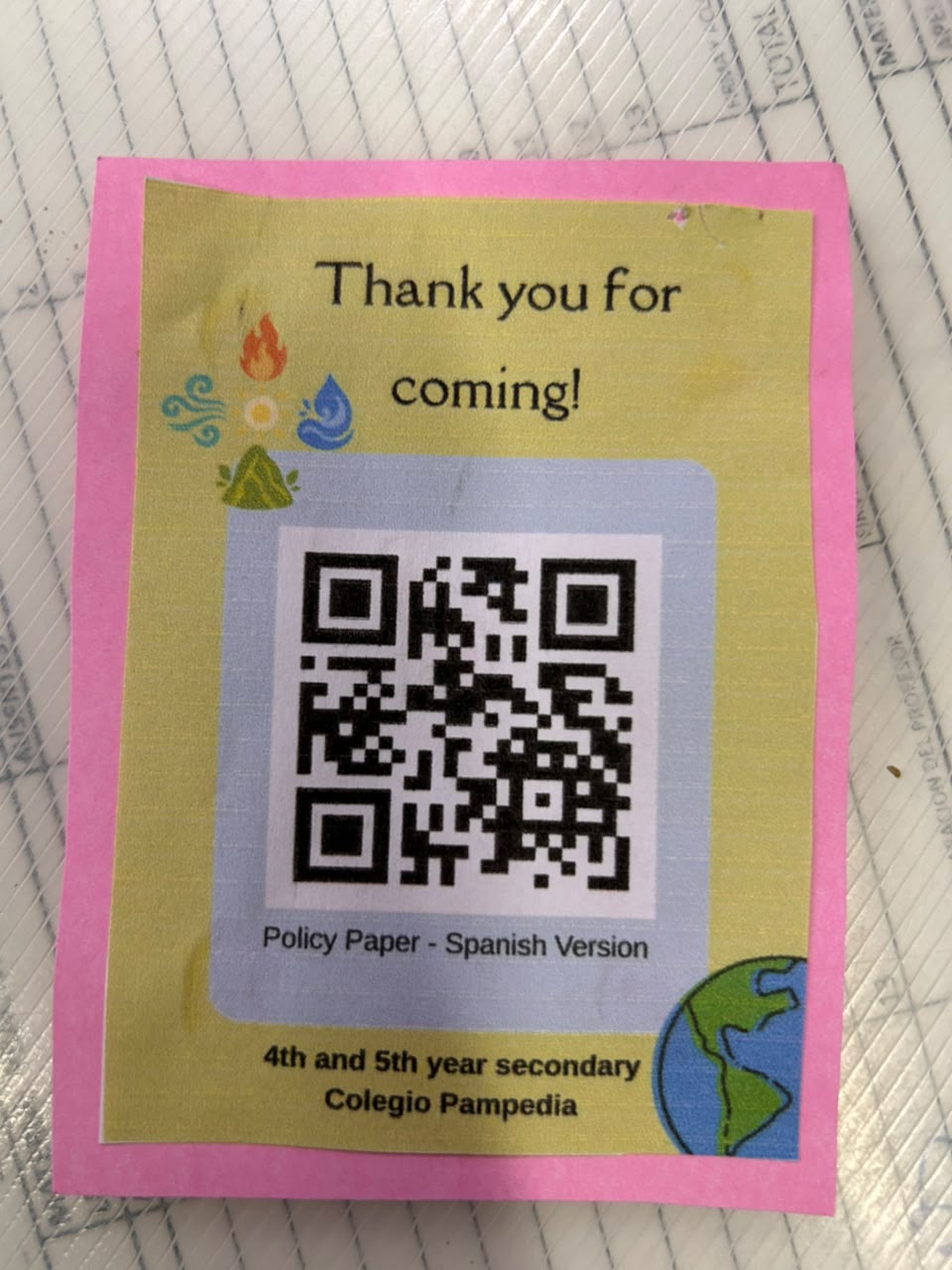
Dissemination of students' work across participating countries. (Argentina)
Student Reflections
For many participants, the retreat was a unique opportunity to experience collaboration across cultures while discovering the value of collective action. Students reflected on the perspectives they gained and the confidence they developed by contributing to a shared piece of work.
"Participating in this program really shifted my perspective. Before this, I looked at energy and climate change through a purely local lens, but learning about petrocultures made me realize how deeply fossil fuels shape not just our economies, but our entire way of living and thinking."
— Student, Phillippines
"One of the best experiences of talking with other students was realizing that people from countries on the other side of the world, such as the Philippines, face many of the same problems that we do in Brazil. For example, when they talked about intense rainfall, I immediately remembered the devastating floods that occurred in Brazil in 2024. It made me realize that, despite living in different parts of the world, many of the challenges related to climate change are shared, and that we need to work together to find ways to address them."
— Student, Brazil
"This project is a perfect example of collaboration. It made me realize that collaboration should not only happen between communities, but also between governments, so that we can work together to address the challenges we all face."
— Student, Greece
"Seeing how different countries are trying to break away from their own petrocultures with unique policy solutions has been fascinating. It showed me that transitioning to clean energy isn't just about changing power sources; it's about changing our whole culture and collaborating globally to make it happen."
— Student, Phillippines
"I think one of the most important things I learned is that working together across differences can be challenging, but by listening to and respecting different perspectives while focusing on a common goal, our collaboration becomes stronger."
— Student, Kenya
"After working on our issues, listening to other people from very different places from ours made me feel empathy for the people telling their experiences. For example, I remember another country having floods as an issue, just like us, which made me notice we are not alone and there are people in worse situations than me."
— Student, Argentina
"Every country or community brings a different piece of the puzzle. When we collaborate globally and nationally, instead of letting divisions get in the way, we stop repeating the same mistakes and start sharing solutions that work. It changes the whole game because we're fighting climate change together as a team rather than trying to fix it all alone in our own little corner."
— Student, Phillippines
